International Symposium on Smart Mobility for Differently Abled (SMDA-2025) Inaugurated at NIT Rourkela
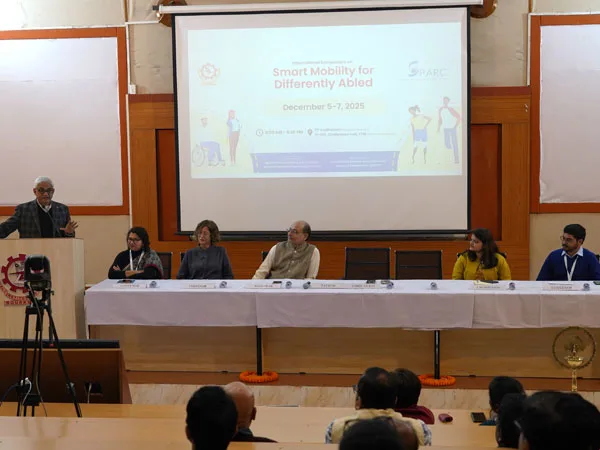
5 December 2025: The Department of Planning and Architecture, NIT Rourkela, inaugurated the International Symposium on Smart Mobility for Differently Abled (SMDA-2025) today. The three-day symposium (5–7 December) is being organised under the prestigious Scheme for Promotion of Academic and Research Collaboration (SPARC) of the Ministry of Education, Government of India. As the world observed the International Day of Persons with Disabilities on 3 December, the department marked the occasion today through the inauguration of SMDA-2025.
The symposium brings together global experts, policymakers, researchers and practitioners to explore mobility innovations, city-level strategies, accessible design approaches and technology-driven solutions aimed at enhancing independent mobility for differently-abled citizens.
The event was inaugurated by Prof. K. Umamaheshwar Rao, Director, NIT Rourkela, who highlighted India’s inspiring achievements at the Paralympic Games as a reminder of the nation’s immense potential. He stressed the responsibility to create an environment where every Divyangjan (person with disability) receives opportunities, support systems and required facilities. He said that social awareness among the public is essential to remove barriers linked to mobility.
Registrar Prof. Rohan Dhiman emphasised the importance of strong institutional and governmental support, stating that effective use of government schemes and collaborative frameworks is essential for empowerment and improved access to mobility resources. Prof. Nabanita Saha, Chairperson and Head of the Department, noted that the Planning and Architecture Department at NIT Rourkela consistently ranks among the top ten institutions in India under NIRF. She said that hosting SMDA-2025 reflects the department’s commitment to shaping planning and design practices that are inclusive, practical and sensitive to the needs of differently-abled citizens, ensuring their dignity, access and equal rights.
Speaking on the technical scope of the symposium, Prof. Soumi Muhuri, Convenor of SMDA-2025, explained that the platform brings together technological solutions, policy tools, urban design techniques and product-specific innovations aimed at improving mobility for differently-abled citizens of Rourkela. The symposium focuses on accelerating the national conversation on disability rights by integrating urban planning, engineering, design innovation and community-driven approaches.
Keynote speaker and programme convenor Prof. Reena Tiwari from Curtin University, Australia, emphasised the human-centred dimension of mobility planning. She noted that accessible mobility depends on clear design guidelines, digital applications and active community partnerships, adding that a shift in mindset is necessary to understand the people for whom mobility solutions are designed.
The inaugural session concluded with a vote of thanks by Prof. Deepanjan Saha, SMDA-2025 features keynote lectures, technical sessions, product demonstrations, and planning frameworks centred on:
- Accessible transport and public infrastructure
- Mobility challenges at the city level and actionable solutions
- Policy frameworks for inclusive mobility
- Technological tools, analytical methods and assistive products
- Collaborative planning for accessible urban environments
The symposium is jointly convened by Prof. Soumi Muhuri, Prof. Sudip Kundu, Prof. Deepanjan Saha, Prof. Mohd Nauman Nizamuddin, Prof. Reena Tiwari from Curtin University, Australia, and Prof. Anirban Adhya from Lawrence Technological University, USA, bringing together diverse academic and professional expertise to guide the programme. The organisers highlighted that cities of the future must guarantee mobility without barriers and ensure equal participation for all.

